
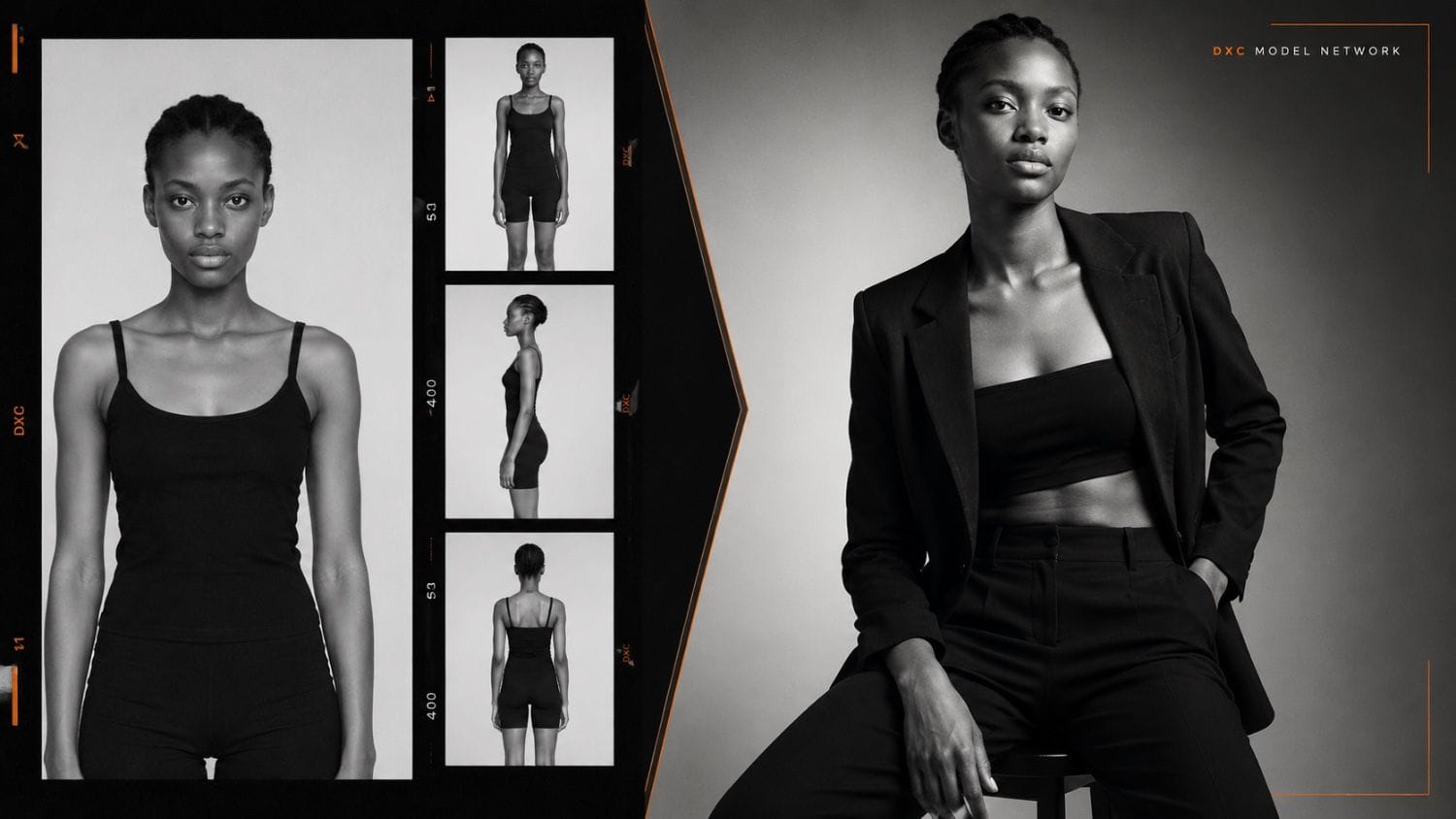
How to Build a Strong Modeling Portfolio in Lagos
A modeling portfolio is one of the most important tools an aspiring model can have.
It helps agencies, casting directors, photographers, designers, production teams, and brands understand what a model can do in front of the camera. A strong portfolio can show confidence, range, expression, body control, styling ability, and professional potential.
But many aspiring models in Lagos make the mistake of thinking every beautiful photoshoot is a modeling portfolio.
That is not true.
A strong modeling portfolio is not just a collection of fine pictures. It is a carefully selected set of images that supports your modeling direction and helps people understand your value as a model.
At DXC Models, we believe portfolio development should be intentional, structured, and connected to the kind of modeling opportunities a talent wants to pursue.
What is a modeling portfolio?
A modeling portfolio is a collection of professional images that shows a model’s ability, range, personality, and market readiness.
It is different from normal social media pictures.
A portfolio is created to help others understand how you can work as a model. It should show that you can pose, express, take direction, work with styling, and represent different creative or commercial ideas.
A good portfolio may include:
Clean portraits
Full-body images
Fashion images
Commercial images
Beauty shots
Lifestyle images
Editorial images
Movement shots
Simple studio images
Images that match your strongest modeling category
The goal is not to include every picture you have ever taken. The goal is to show the right pictures.
A portfolio is not the same as polaroids
Before building a portfolio, you must understand the difference between portfolio images and polaroids.
Polaroids are simple, clean, natural photos that show your real look.
A portfolio is more styled and professional. It shows what you can do creatively or commercially.
A model may need both.
Polaroids help agencies assess your natural look.
Portfolio images help agencies and clients assess your range, experience, and ability to perform in front of the camera.
Do beginners need a portfolio immediately?
Not always.
A beginner model usually needs clean polaroids first. Polaroids help an agency understand your current look and development potential.
However, once a model begins training, learning posing, understanding body control, and preparing for market opportunities, a portfolio becomes important.
A beginner should not rush into a portfolio shoot without guidance. If the shoot is not planned properly, the images may look nice but still fail to support the model’s career.
Start with direction before photos
Before building a portfolio, ask:
What kind of model am I?
What category fits me best?
Am I stronger in fashion, commercial, beauty, lifestyle, editorial, curve, runway, or kids modeling?
What type of clients could book me?
What image style supports my look?
What do I need to show?
Without direction, your portfolio may become confusing.
For example, a commercial model may need warm, relatable, expressive images. A fashion model may need stronger posture, body lines, and editorial confidence. A beauty model may need clean facial images. A curve model may need confident full-body and fashion images. A kids model may need age-appropriate, natural, cheerful, and expressive images.
Your portfolio should support your category.
Do not build your portfolio from random shoots
Many aspiring models attend different photoshoots and assume they now have a portfolio.
But random shoots can create an inconsistent image.
One picture may look like birthday photography. Another may look like beauty content. Another may look like fashion. Another may look too edited. Another may not show your body properly.
A strong portfolio should feel intentional.
It should show that you understand the kind of model you are becoming.
This is why agency guidance matters before portfolio development.
What should a strong modeling portfolio include?
A strong modeling portfolio should include images that show variety without confusion.
Depending on your category, it may include:
A clean headshot
A strong full-body image
A simple studio portrait
A fashion look
A commercial smile or lifestyle image
A beauty image
An editorial-style image
A movement image
A clean image that shows body shape and posture
An image that shows personality
The exact mix depends on your direction as a model.
You do not need too many photos
A beginner does not need 50 portfolio images.
It is better to have 5 to 10 strong images than many weak ones.
A portfolio should be easy to review. Agencies and clients do not want to struggle through too many random pictures.
Quality matters more than quantity.
Each image should have a purpose.
What makes a portfolio image strong?
A strong portfolio image should show something useful about the model.
It may show:
Strong posture
Facial expression
Body control
Confidence
Commercial appeal
Fashion range
Beauty potential
Movement
Ability to take direction
Professional presentation
The image should not only be beautiful. It should communicate model value.
A beautiful picture that does not help people understand your modeling potential may not belong in your portfolio.
Avoid over-editing
Over-editing is one of the biggest problems in model portfolios.
Heavy retouching can make a model look unrealistic. It can hide natural features, skin texture, body shape, or facial structure.
Agencies and casting teams need to see what you actually look like.
Editing should improve the image, not change the model completely.
Avoid:
Unrealistic skin smoothing
Body reshaping
Heavy filters
Extreme color grading
Face alteration
Over-styled effects
A model portfolio should look polished but still believable.
Choose simple but strong styling
Styling matters in portfolio shoots.
Your clothes should support the image direction. They should not distract from you as the model.
Good styling can help show:
Body shape
Personality
Fashion direction
Commercial appeal
Lifestyle mood
Editorial strength
Avoid outfits that are too busy, poorly fitted, or unrelated to your modeling direction.
For beginner models, simple styling often works better than complicated styling.
Work with the right creative team
A strong portfolio often depends on the team behind the shoot.
This may include:
Photographer
Stylist
Makeup artist
Creative director
Agency or model manager
Hair stylist
Retoucher
When the team understands modeling, the result is usually stronger.
Not every photographer understands model portfolio development. Some photographers are good at portraits, events, or beauty shoots, but may not know what agencies or casting teams need from a model portfolio.
This is why direction is important.
Portfolio for fashion models
A fashion model’s portfolio should show posture, body lines, movement, and ability to wear clothes well.
Fashion portfolio images may include:
Full-body shots
Editorial images
Clean studio looks
Strong poses
Movement shots
Simple fashion styling
Images that show clothing clearly
The model should look confident, controlled, and aware of the garment.
Portfolio for commercial models
Commercial models need images that show relatability, warmth, expression, and personality.
Commercial portfolio images may include:
Natural smiles
Lifestyle images
Product interaction
Clean portraits
Friendly expressions
Everyday styling
Family or professional concepts where relevant
Commercial modeling is not always about high fashion. It is about connecting with real audiences.
Portfolio for beauty models
A beauty model’s portfolio should focus on the face, skin, expression, and grooming.
Beauty portfolio images may include:
Close-up portraits
Clean makeup looks
Skin-focused images
Hair or beauty concepts
Strong facial angles
Soft expression control
Beauty images should be clean and polished without hiding the model’s real features.
Portfolio for curve and plus-size models
Curve and plus-size models need portfolios that show confidence, body shape, fashion appeal, and personality.
Images may include:
Full-body fashion looks
Commercial lifestyle shots
Confident portraits
Clean studio images
Movement shots
Body-positive styling
Beauty images
The goal is to show that the model can represent fashion, beauty, lifestyle, and commercial brands professionally.
Portfolio for kids models
Kids modeling portfolios should be age-appropriate.
Children should not be styled or posed like adults.
Good kids portfolio images may include:
Natural smiling portraits
Simple studio shots
Playful lifestyle images
Clean full-body images
School-style concepts
Fashion looks suitable for children
Images that show confidence and personality
The child should look comfortable, safe, and natural.
Parents should avoid overly mature styling, heavy makeup, or pressure-filled expressions.
Update your portfolio as you grow
A model’s portfolio should not remain the same forever.
As your look changes, your confidence improves, or your direction becomes clearer, your portfolio should evolve.
Update your portfolio when:
You improve your posing
Your look changes
You change hairstyle
You gain new experience
You enter a new modeling category
Your old images no longer represent you
You now have stronger work
A portfolio should reflect where you are professionally.
Do not include weak images just because you paid for them
This is a hard truth.
Not every photo from a shoot belongs in your portfolio.
Even if you paid for the shoot, you should only include the strongest images.
Weak images can reduce the quality of the whole portfolio.
Be selective.
A serious model must know that portfolio curation is part of professionalism.
Why agency guidance helps
An agency can help you understand what type of portfolio you need.
Without guidance, you may spend money on photos that do not help your positioning.
At DXC Models, we guide aspiring and developing models on polaroids, portfolio planning, image development, category direction, casting preparation, and professional presentation.
Our goal is not just to help models take pictures. Our goal is to help them build useful materials that support their growth.
Common portfolio mistakes aspiring models make
Avoid these mistakes:
Doing random shoots without direction
Using only edited Instagram pictures
Including too many weak images
Using photos that do not show body or face clearly
Over-editing images
Copying poses without understanding them
Wearing distracting outfits
Using images that do not match your category
Not updating old photos
Confusing beauty pictures with modeling materials
A strong portfolio should be clean, intentional, and useful.
Final thoughts
A modeling portfolio is more than a photo album.
It is a professional tool that shows your range, confidence, direction, and readiness.
Before building a portfolio, understand your category. Start with clean polaroids. Get proper guidance. Plan your shoot carefully. Choose images that support your modeling journey.
The goal is not to have many pictures.
The goal is to have the right pictures.
At DXC Models, we help aspiring and developing models build structure around their modeling journey, from polaroids to portfolio development, casting preparation, training, and market readiness.
If you are serious about modeling in Lagos, your portfolio should not be random. It should be intentional.